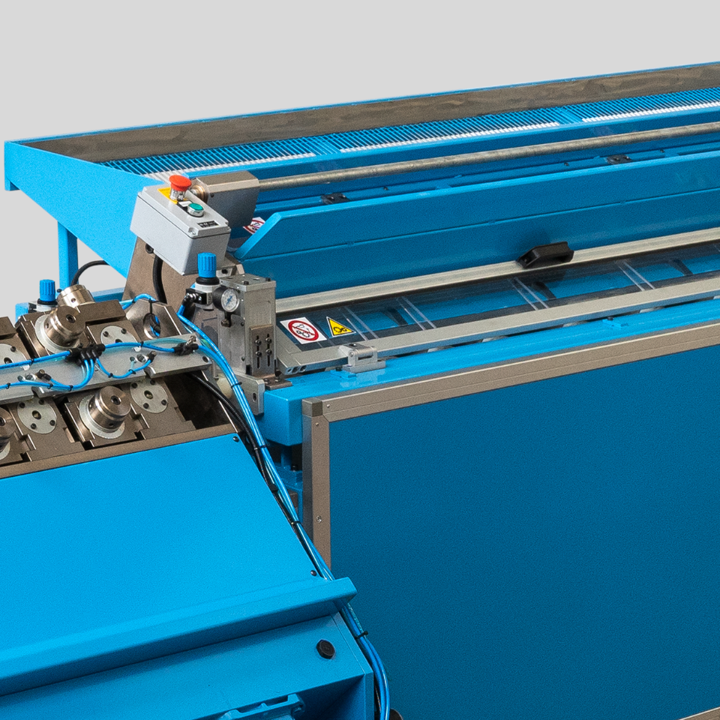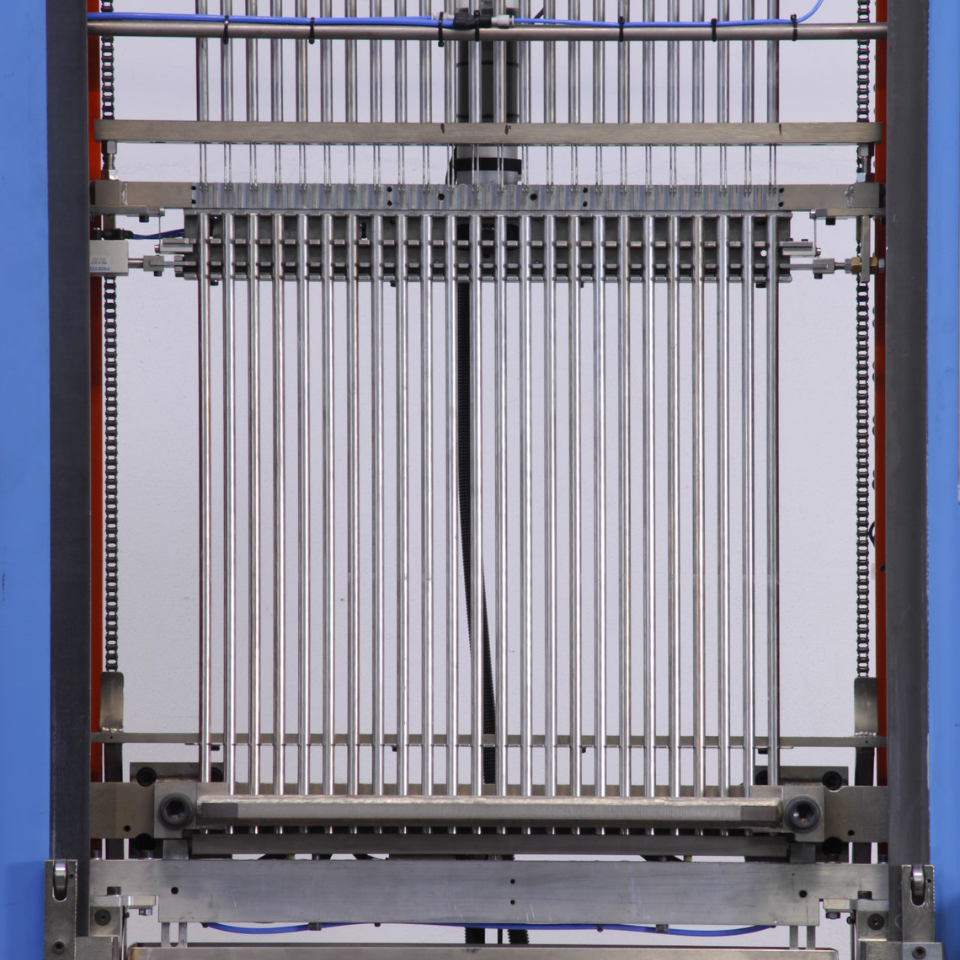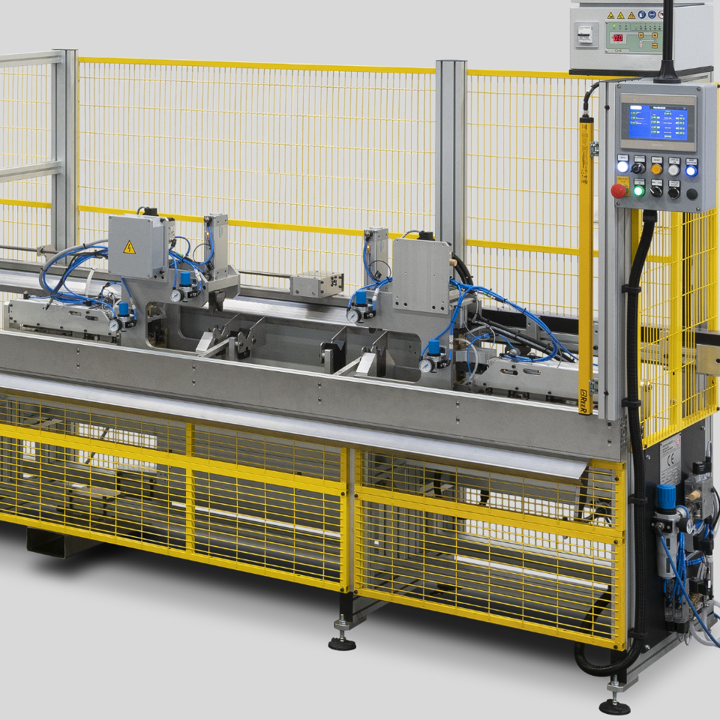

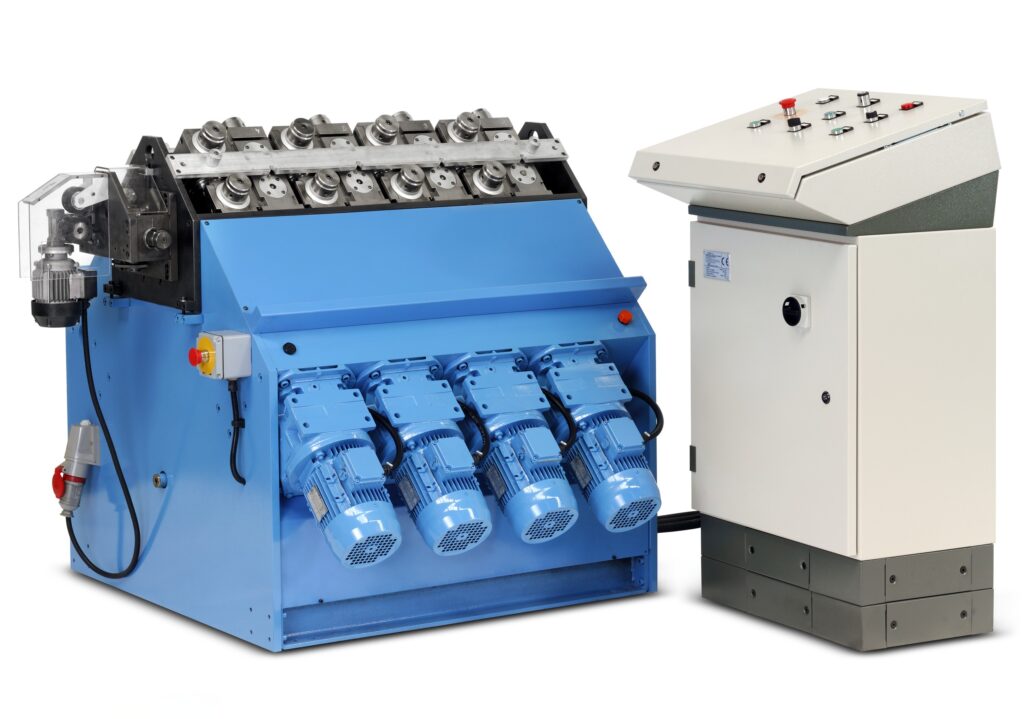
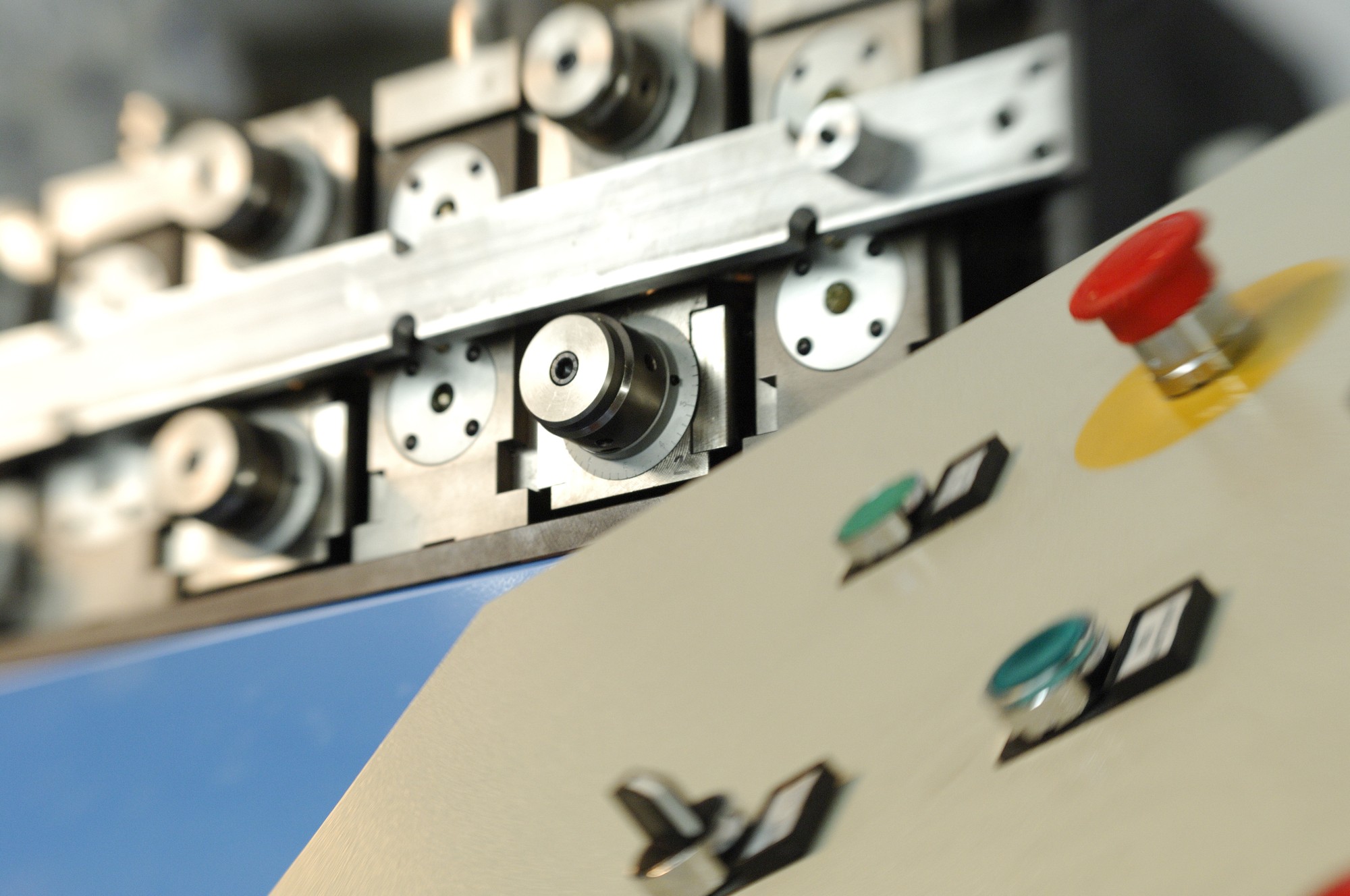
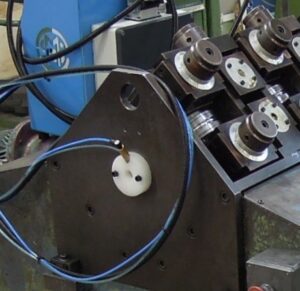
CSM rolling reducing mills feature multiple pairs of individually driven rolls, mounted on a single head connected via universal joints to a gearbox and constant-torque asynchronous motor. Simply loosen the joints and mounting screws to remove the head and replace it with a second, pre-configured head for a different diameter. The result: a format change takes around 30 minutes, compared to the 6+ hours typically needed to replace an entire roll set.
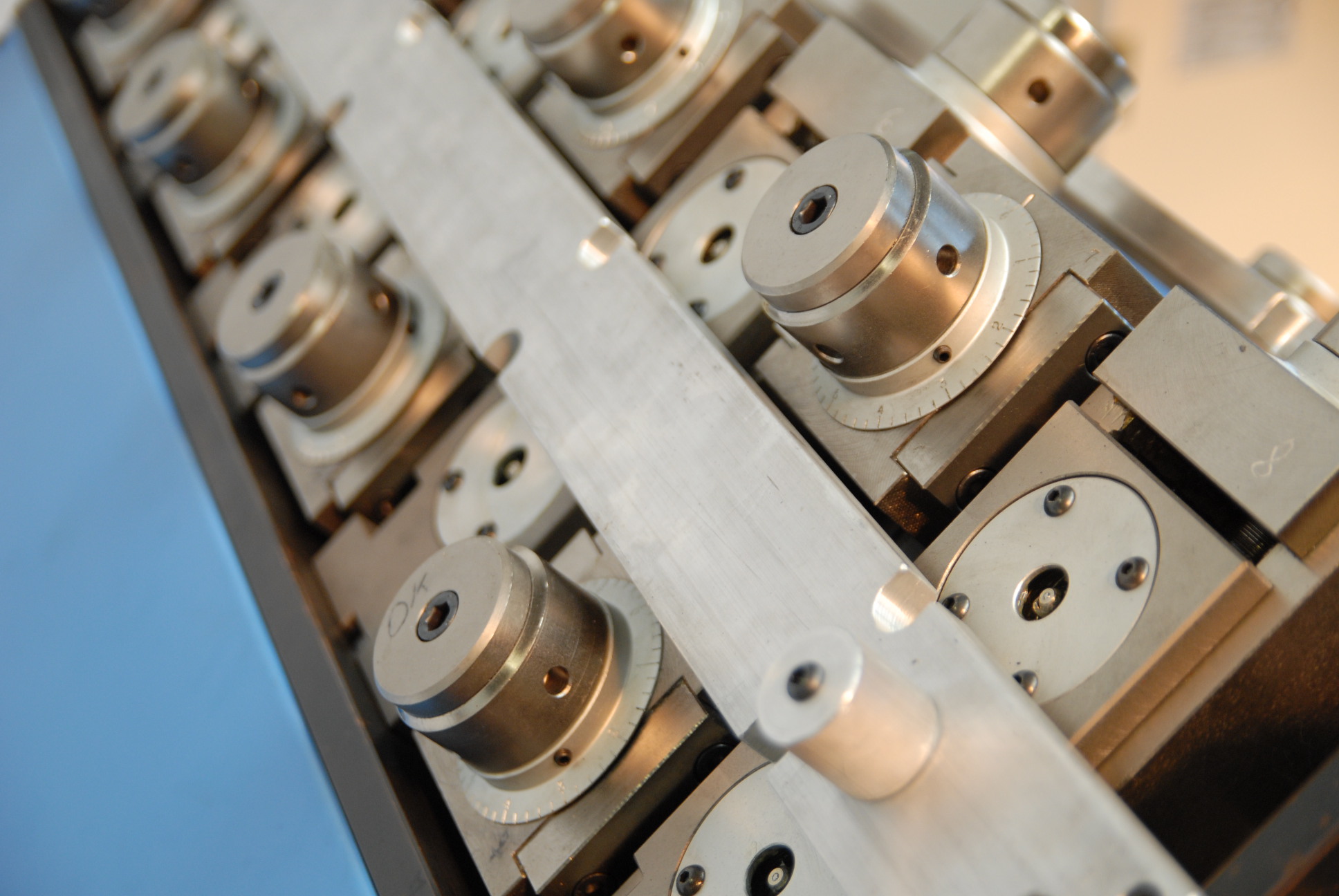
The roll pass, with a predominantly “oval-to-oval” profile and consistent reduction at each pair, ensures precise tube calibration in the final two stages. Available in hardened steel or steel with sintered carbide rings, the latter last up to 4 times longer than traditional steel rolls. Recommended for higher-volume tube sizes, they reduce machine downtime and maintenance costs.
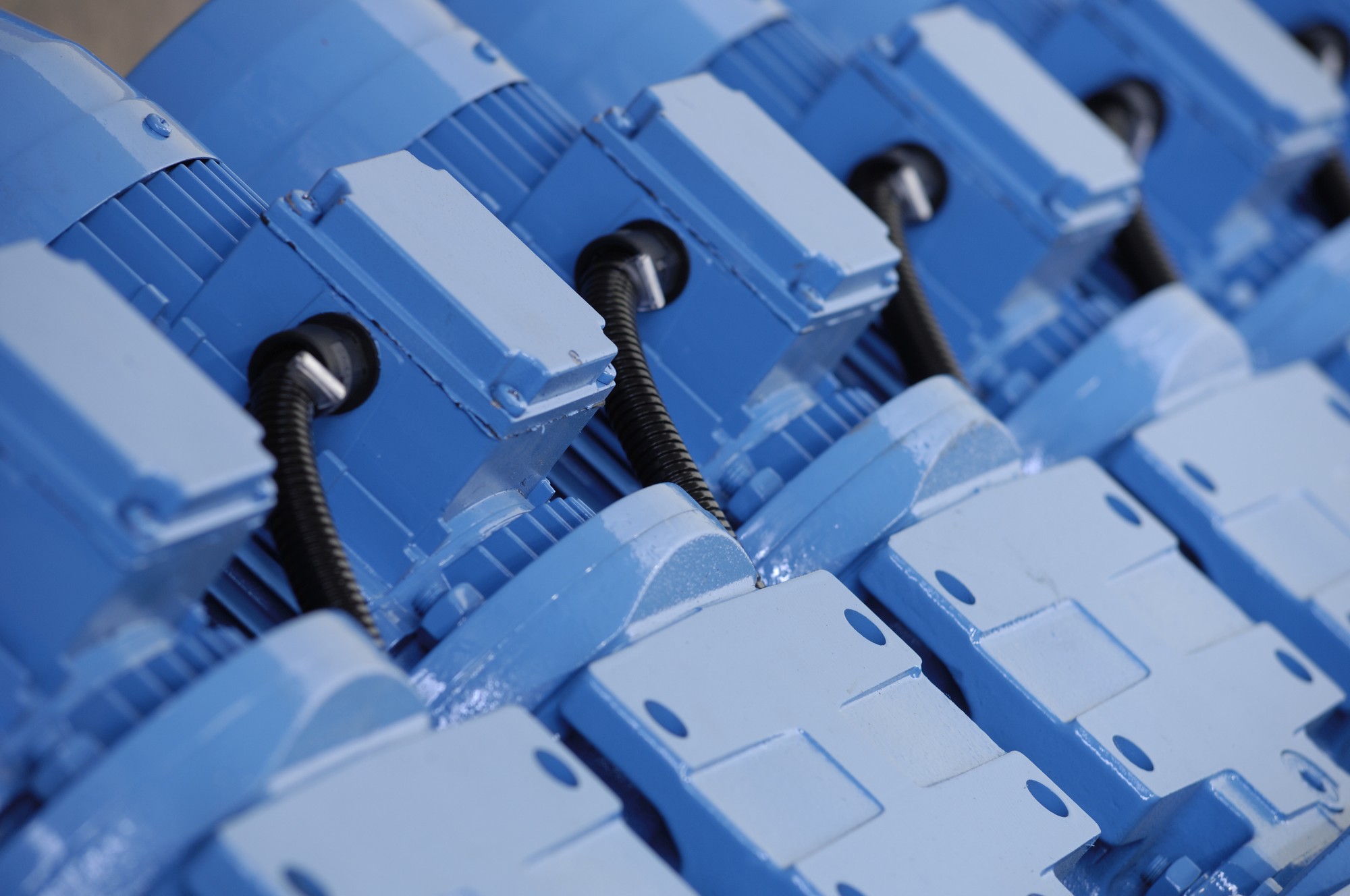
Reduced noise levels for a more comfortable work environment, compliant with acoustic safety standards.
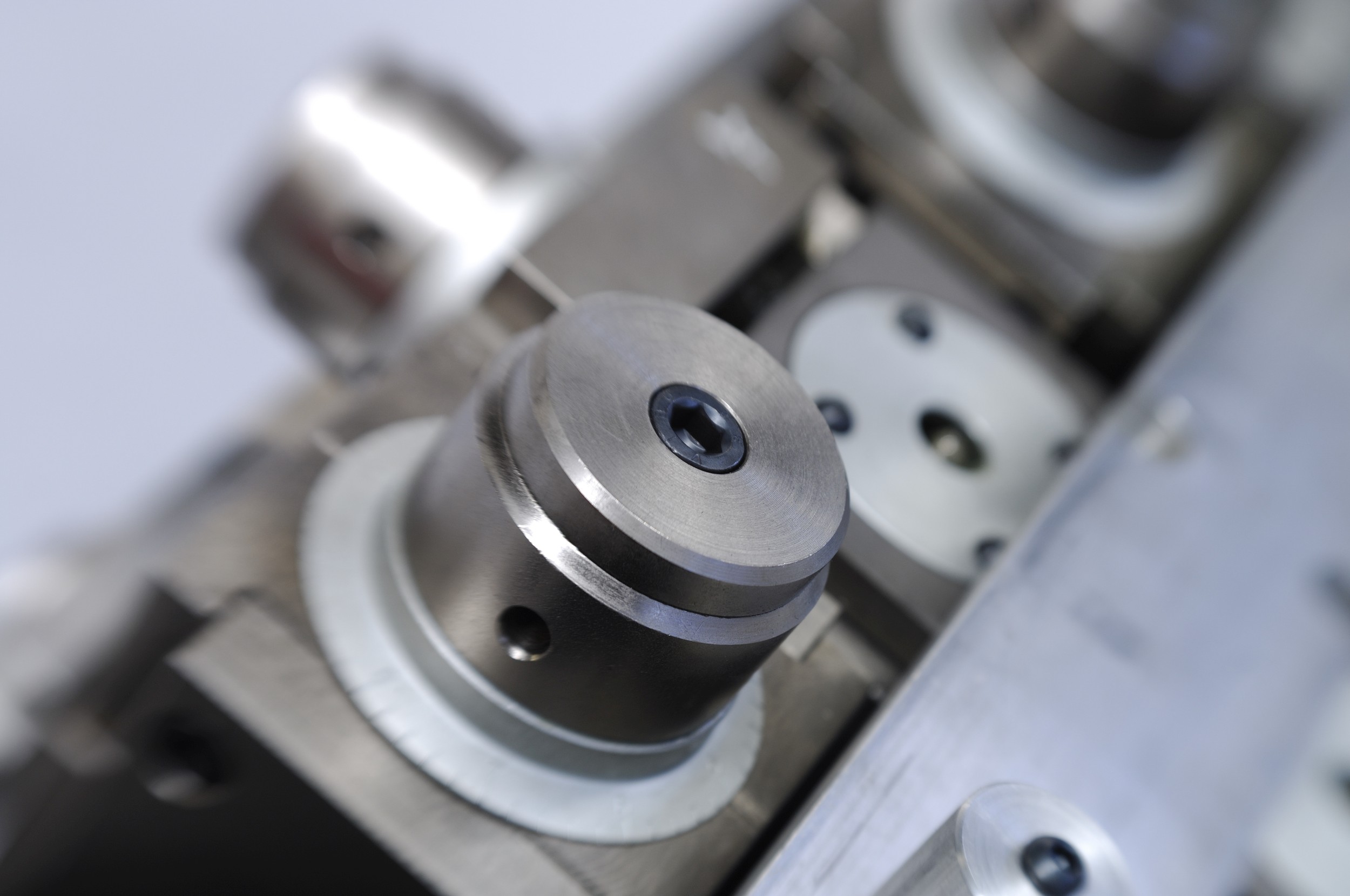
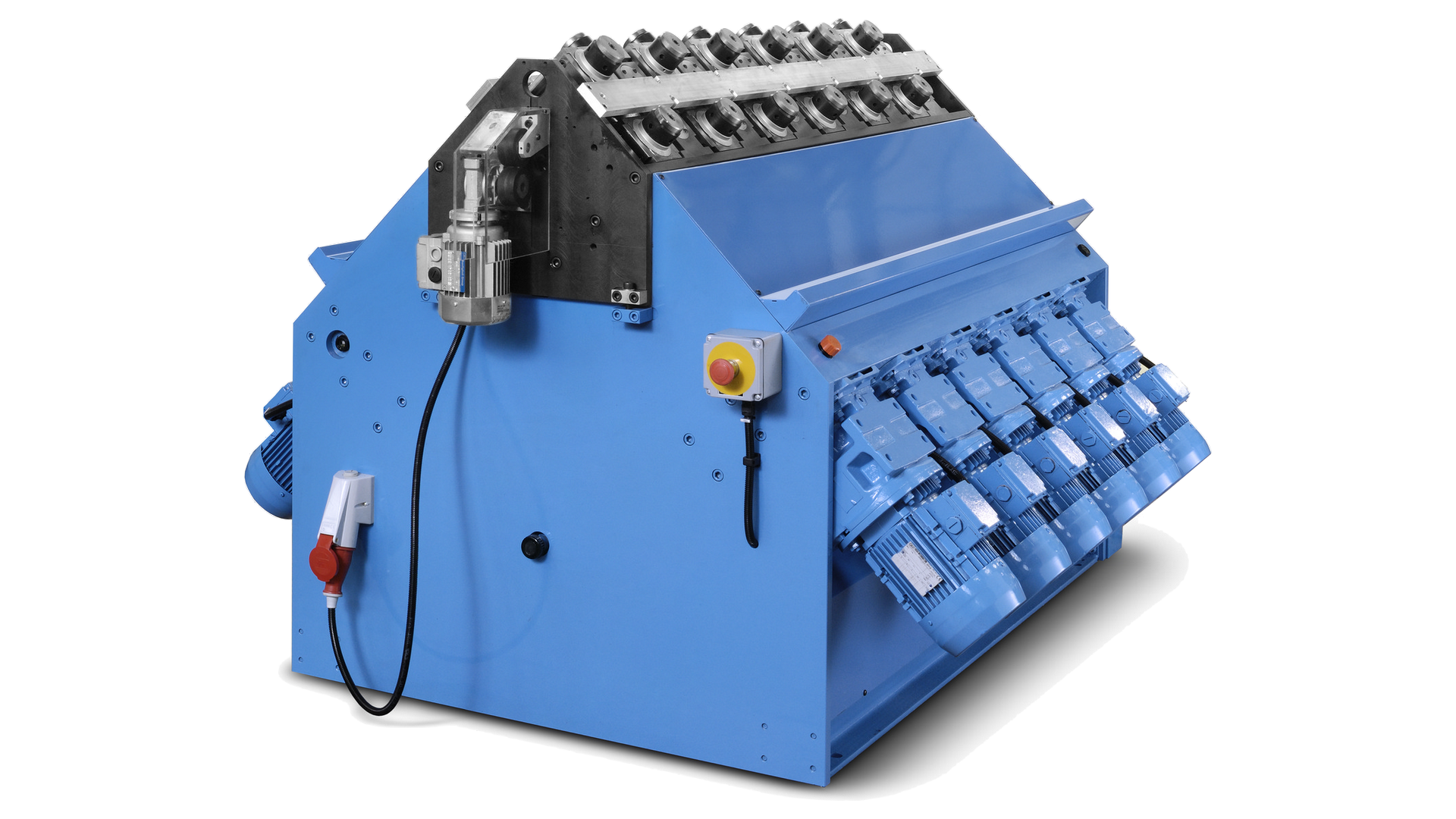
TRANSMISSION SHAFTS
which connect rolling mill head and its stand.
MACHINE STAND
with motors, gearboxes and electrical system with 8 or 12 stations.
HEAD COMPLETE WITH EXTRACTION UNIT
with steel or tungsten carbide rollers. The head can be changed in approximately 30 minutes.
GUIDE BUSHINGS
interposed between each pair of rollers, ensuring the passage of the heating elements during the rolling process from one roller to the next.
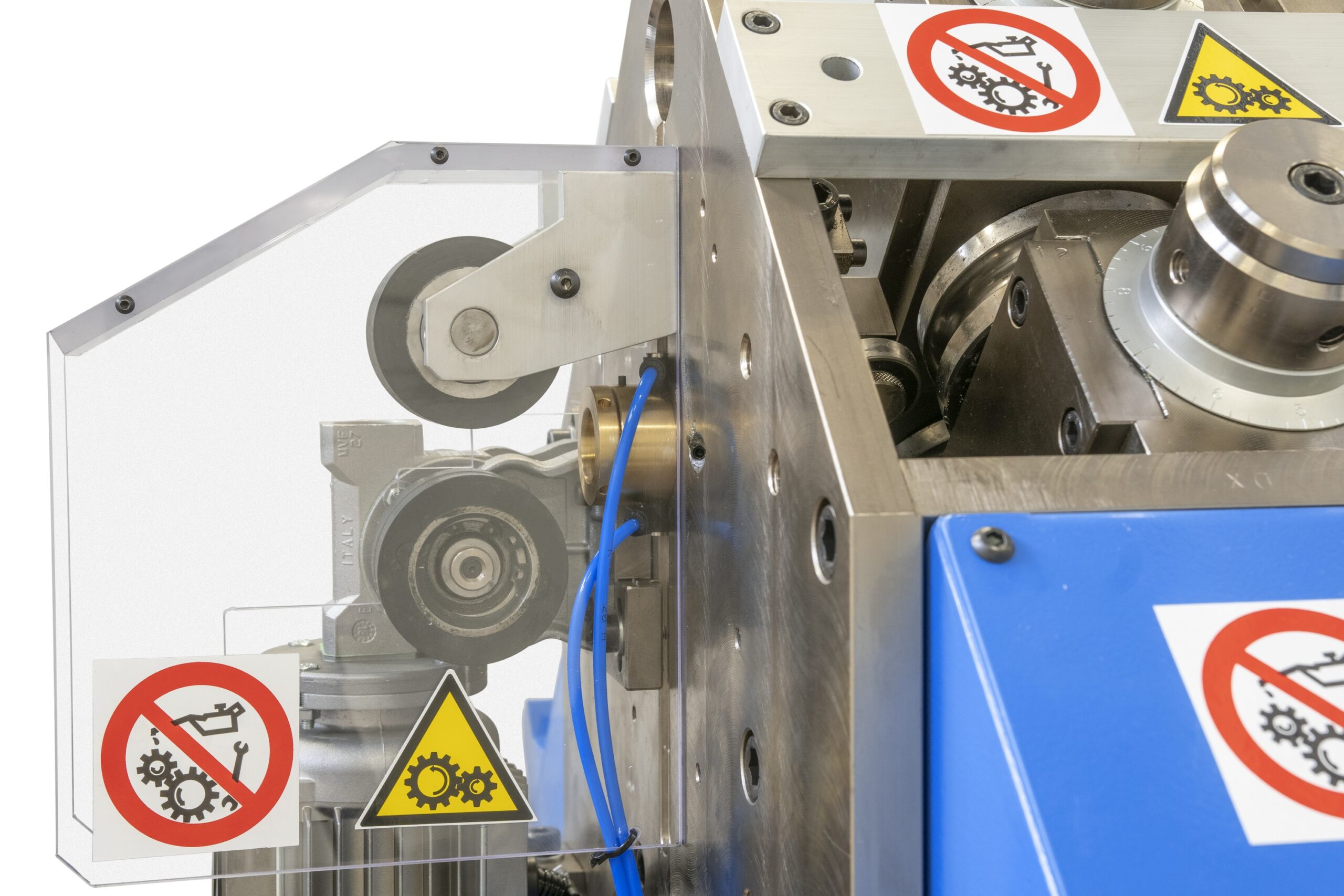
MOTORIZED RUBBER ROLLER SYSTEM
which are positioned outside the rolling mill to extract the tubes.
ROLL-STRAIGHTENER (TURK’S HEAD)
(other straightening machines available upon request).
A set of tear and wear parts, made of a set of guide bushings and two rubber rolls (to draw the tubes out of the mill). Some lubricants can be used to increase the straightness of the element.
Roll lubrication system for rolling mill complete with spray nozzle located in the entry bushing.
Roll lubrication system for an 8 or 12 station rolling mill for single head complete with spray nozzles and outbound blow-drying.
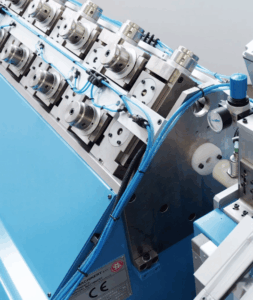
In the rolling mill with a fixed roll rotational speed, each pair of rolls is motorized via a fixed-speed geared motor.
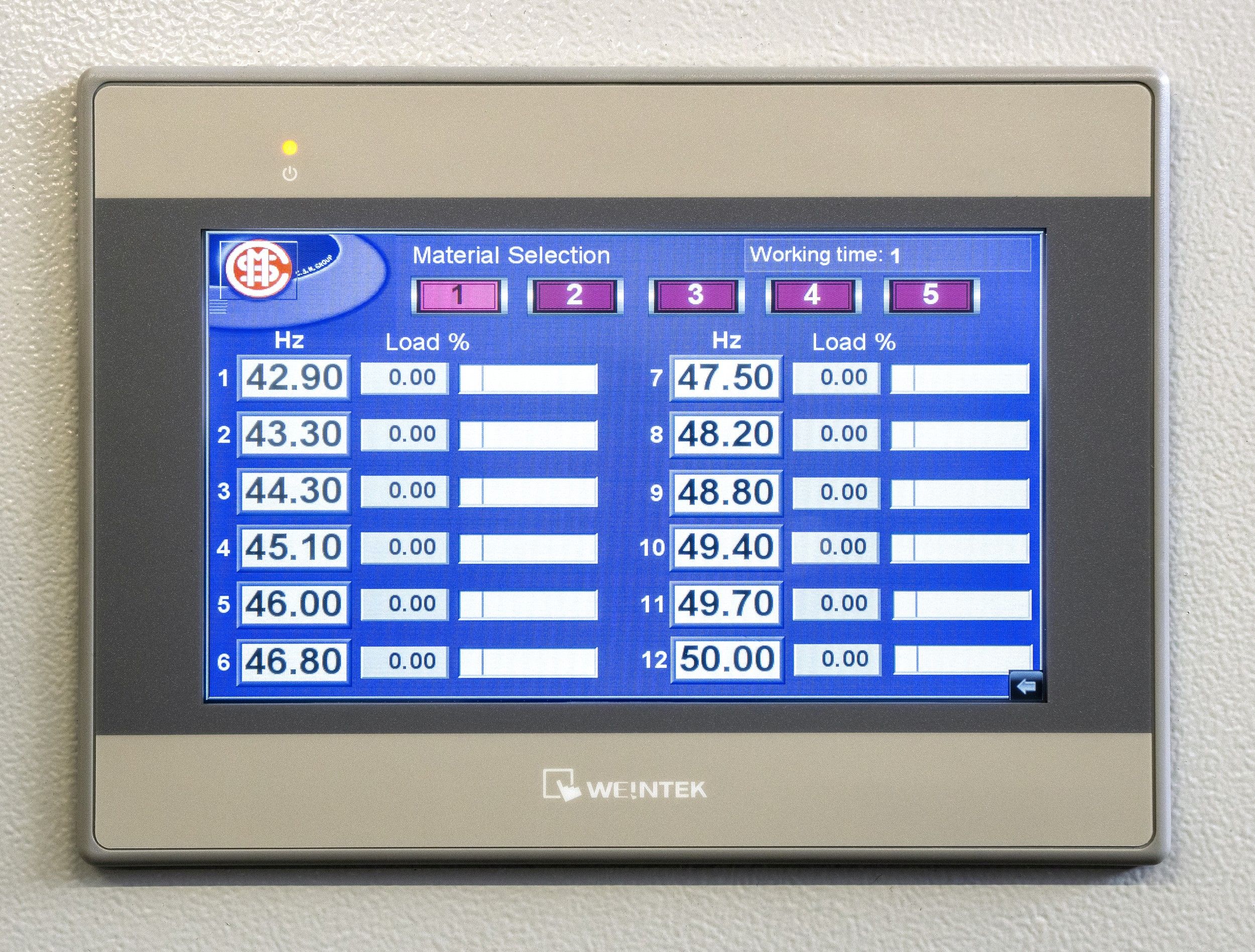
In the rolling mill with a variable roll rotational speed, there is the possibility to program the rotation speed for each pair of rolls through frequency inverters, depending on the elongation of the elements. This solution allows to set the machine for different tube materials. Five sets of program scales of roll speed are available. Each pair of rolls will have a speed corresponding to the elongation of the tube, depending on the tube material. Having control of the speed of each roll station, it is possible to match as closely as possible the elongation occurring. This means that there is less friction between the rolls and tube, and therefore less heat generated by friction. As a result, the rolls last longer and the elements exit straighter.
The 8-station version has 8 pairs of rolls, of which six have reducing function and two have calibrating function. All machines are now equipped with 2-HP motors as standard, ensuring adequate roll pressure even for larger tube diameters.
The 12-station version has 12 pairs of rolls, of which ten have reducing function and two have calibrating function. All machines are now equipped with 2-HP motors as standard, ensuring adequate roll pressure even for larger tube diameters. The advantages of the 12-station rolling mill compared to the 8-station version are: